Bestseller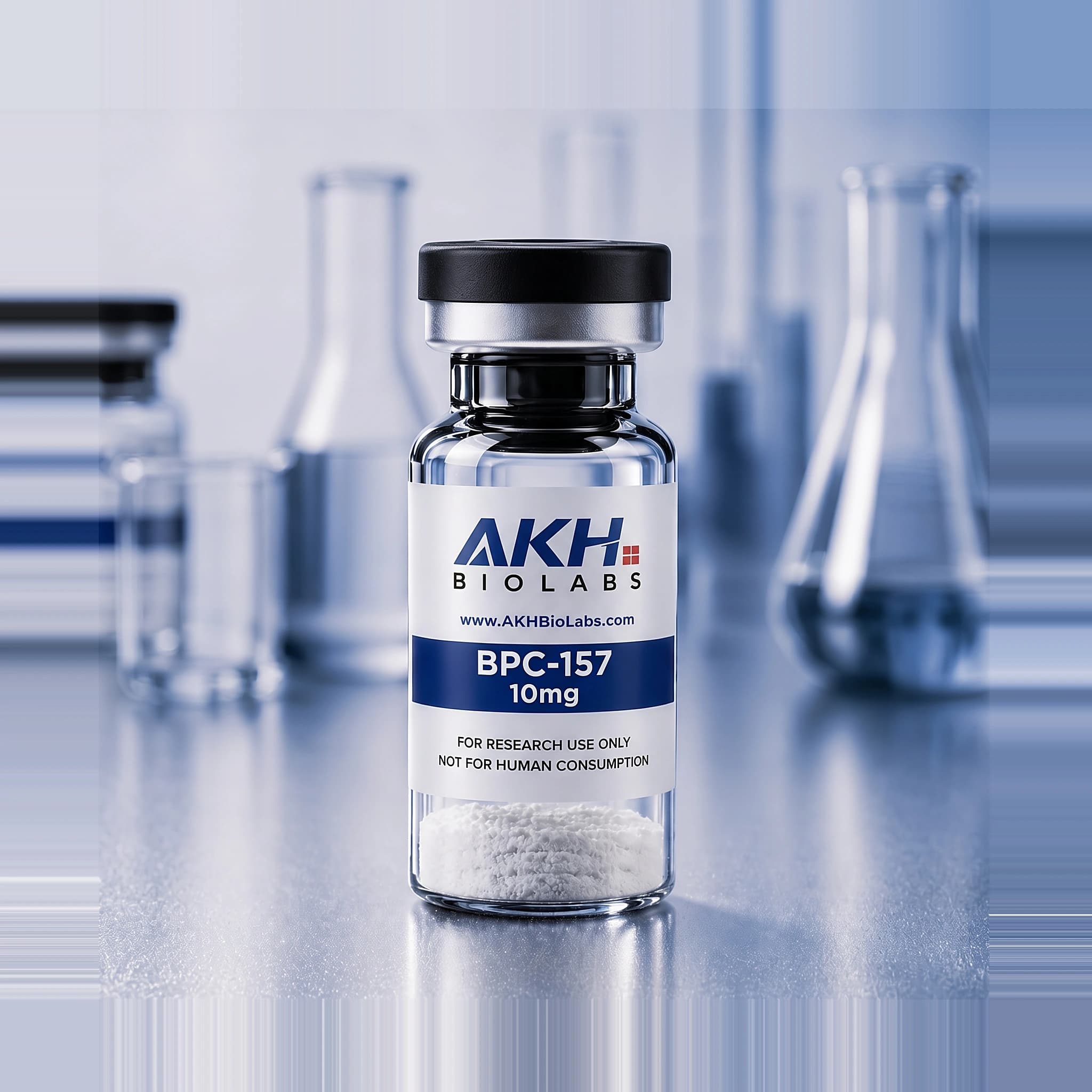
Recovery· Bestseller
In stockBPC-157
Body Protection Compound
BPC-157, also called Body Protection Compound, is supplied as 10mg lyophilised powder for laboratory research. Price is shown in your currency, and its Certificate from a named outside laboratory is published on this page. Not for human or veterinary use.
Size10mgPurity99.66%FormulaC62H98N16O22
BPC-157 (Body Protection Compound) is a synthetic 15-amino-acid peptide derived from a protein found in human gastric juice. It is one of the most heavily studied compounds in preclinical recovery research, investigated for its role in connective tissue repair, angiogenesis (the formation of new blood vessels), and cellular migration in tendon, ligament and gut tissue models.
€47
Quantity
HPLC verified
9–14 day shipping
Full COA
Worldwide delivery
About this compound
The research profile.
BPC-157 is a synthetic pentadecapeptide derived from a partial sequence of Body Protection Compound, a protein identified in human gastric juice. In preclinical models it has been studied for its influence on fibroblast migration, cell survival under oxidative stress, and the outgrowth of tendon explants — activity reported across tendon, ligament, muscle, and gastrointestinal tissue models.
Published work links BPC-157 to modulation of the nitric-oxide system and to the expression of growth-factor receptors involved in tissue repair, including upregulation of the growth hormone receptor in tendon fibroblasts. Angiogenesis studies describe a role in vascular recruitment — the so-called "bypassing key" effect observed in vessel-occlusion models.
The peptide is stable in gastric juice, which distinguishes it from most peptides of comparable size and is one reason both parenteral and oral routes appear in the research literature.
Published research
15 peer-reviewed studies on BPC-157 are summarised in our research library, including 8 published since 2023 — with study designs, reported findings and what the evidence does not establish.
Read the BPC-157 evidence baseFor research purposes only. Not for human consumption, diagnosis, treatment, or prevention of any condition.
Categorised as Recovery — Peptides studied in tissue-repair and inflammation models.
Dosing at a glance
What the literature reports.
For research and laboratory use only. Not for human consumption.
Route
Subcutaneous
Frequency
1–2x daily
Reported range
200–500 mcg
Protocol duration
4–6 weeks
200 mcgper administration500 mcg
Animal studies most commonly report ~10 mcg per kg bodyweight daily; the range shown reflects the per-administration amounts that appear in the published protocols.
Ranges reflect protocols reported in the published literature on BPC-157 — see research citations.
Calculate a dilutionReconstitution & storage
From powder to solution.
- Step 01
Add 2 ml bacteriostatic water
Aim the stream at the vial wall rather than the powder.
- Step 02
Swirl gently — never shake
Rotate the vial until the solution runs clear. Agitation degrades the peptide.
- Step 03
Refrigerate at 2–8 °C
Reconstituted vials belong in the fridge, protected from direct light.
- Step 04
Use within 28 days
Discard any remainder once the stability window closes.
Lyophilised · −20 °CReconstituted · 2–8 °C, 28 days
Reconstitution calculator
10 mg vialmg
ml
mcg
250 mcg = 0.25 mg
Draw
5units · U-100 insulin syringe
- Concentration
- 5 mg/ml
- Draws per vial
- 40
- Cost per draw
- €1.18
For research and laboratory use only. Not for human consumption.
Laboratory arithmetic for BPC-157 — enter the COA-verified vial content for exact figures. Not medical advice.
Effect timeline
Observed across the research window.
Milestones summarise findings reported in the cited studies. Outcomes vary across models and protocols.
Start
Early cellular response
In injury models, studies report fibroblast migration and early angiogenic activity within the first days of administration.
Week 2
Granulation and vessel recruitment
Vessel-recruitment effects and granulation-tissue formation are described in vascular and soft-tissue studies over the second week.
Week 4
Structural measures
Tendon-healing work reports improved explant outgrowth and functional measures at the one-month mark in treated animals.
Week 6
Protocol end points
Most published protocols conclude in the 4–6 week window, where end-point comparisons against controls are made.
For research and laboratory use only. Not for human consumption.
Scientific research
The published evidence.
The dosing ranges and timeline milestones on this page summarise the peer-reviewed publications below.
References
- 01
The promoting effect of pentadecapeptide BPC 157 on tendon healing involves tendon outgrowth, cell survival, and cell migration. J Appl Physiol (2011). PubMed · 21030672
- 02
Novel Cytoprotective Mediator, Stable Gastric Pentadecapeptide BPC 157. Vascular Recruitment and Gastrointestinal Tract Healing. Curr Pharm Des (2018). PubMed · 29879879
- 03
BPC 157 and blood vessels. Curr Pharm Des (2014). PubMed · 23782145
Laboratory verification
One Certificate, published unaltered.
The Certificate is a test report from a named laboratory outside AKH, ordered by our manufacturer and shown here exactly as the laboratory issued it. A printed copy ships in every parcel.
- Batch
- 26149
- Test date
- 28 Jul 2026
- Task ID
- #1812445
- Purity
- 99.66%
Results
BPC-157: 10mg | Purity: 99.66%
Verified by Brown Institute of Biomolecular Research. Scan the full report for every measurement.
Product FAQ
Questions researchers ask.
Pairs well with
Frequently co-studied.
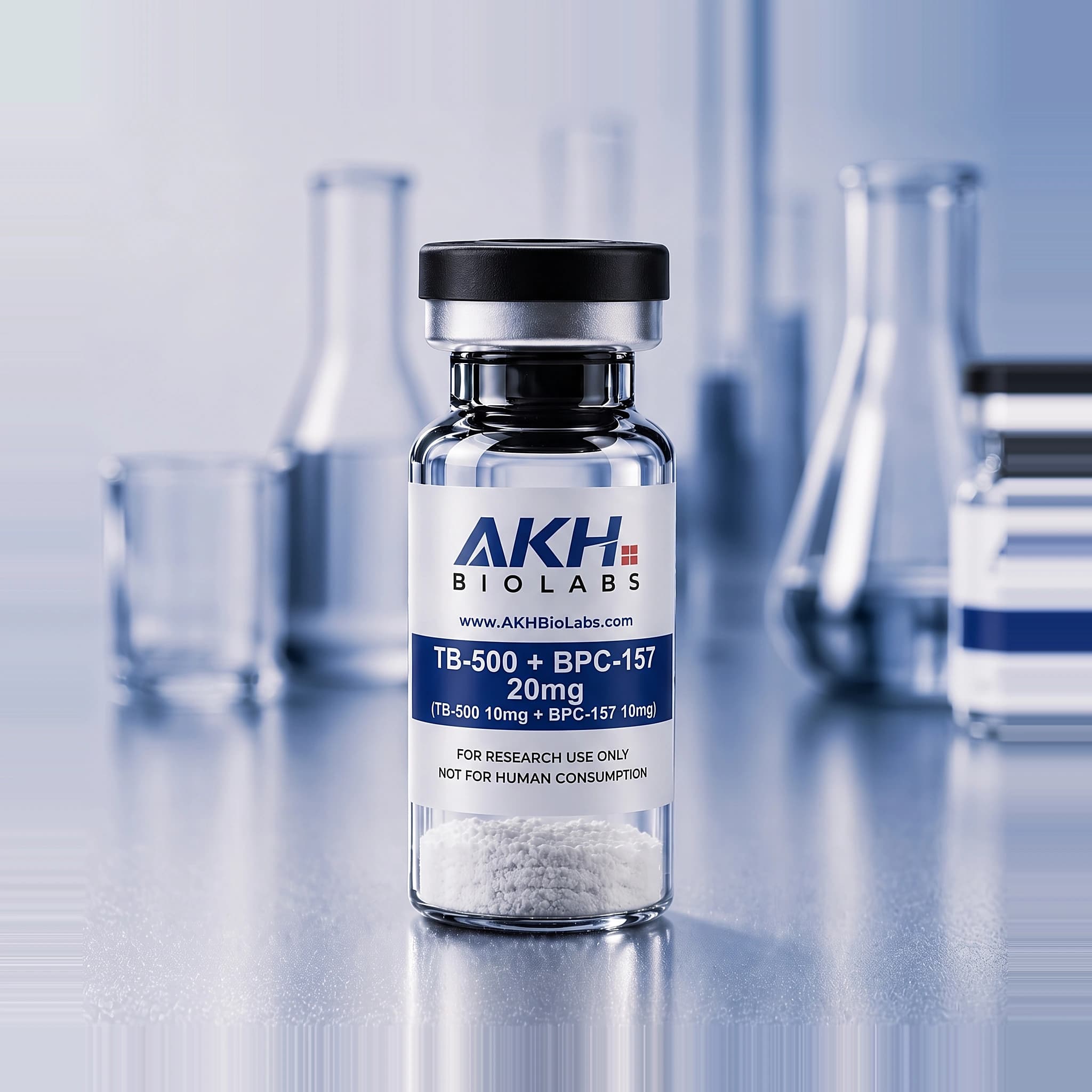
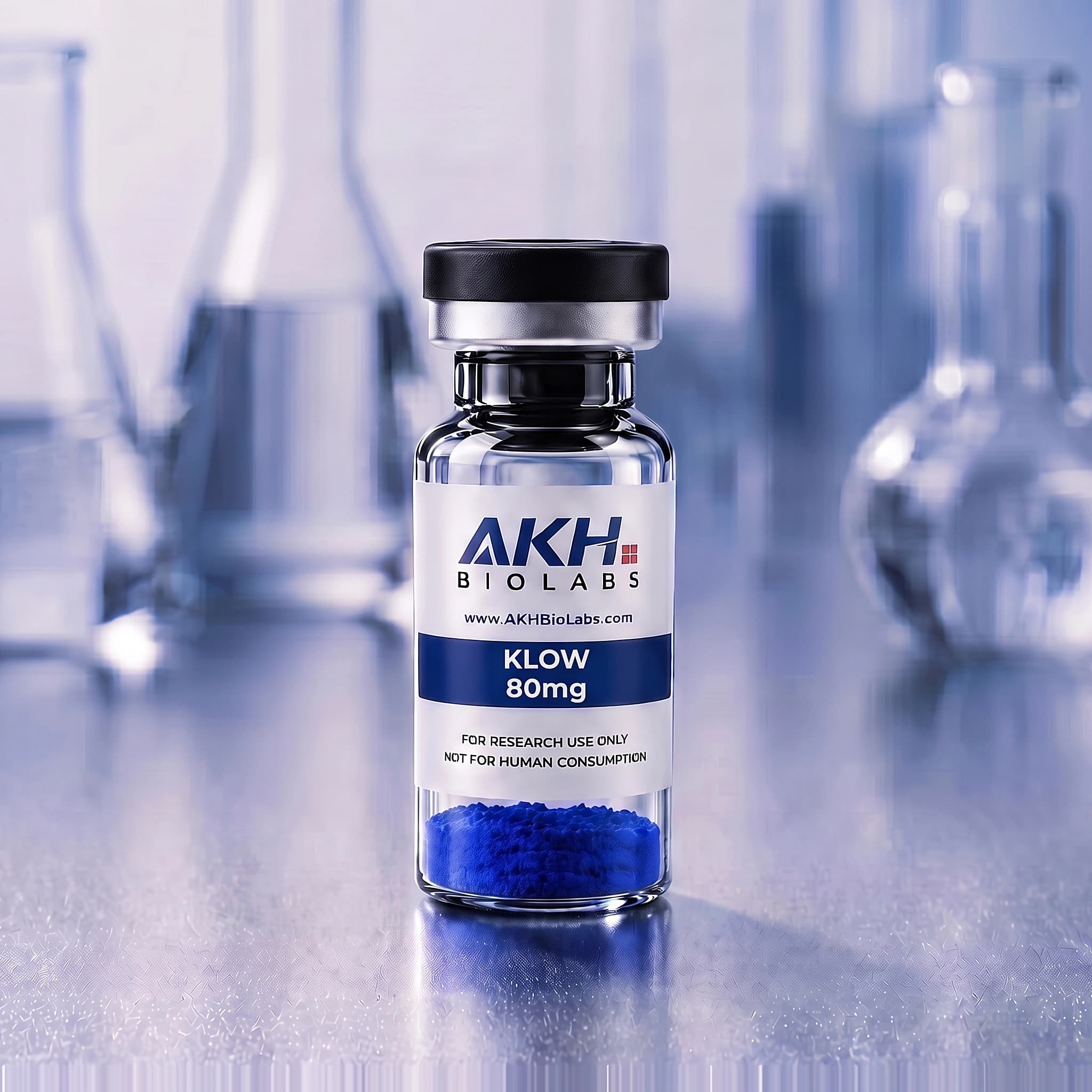
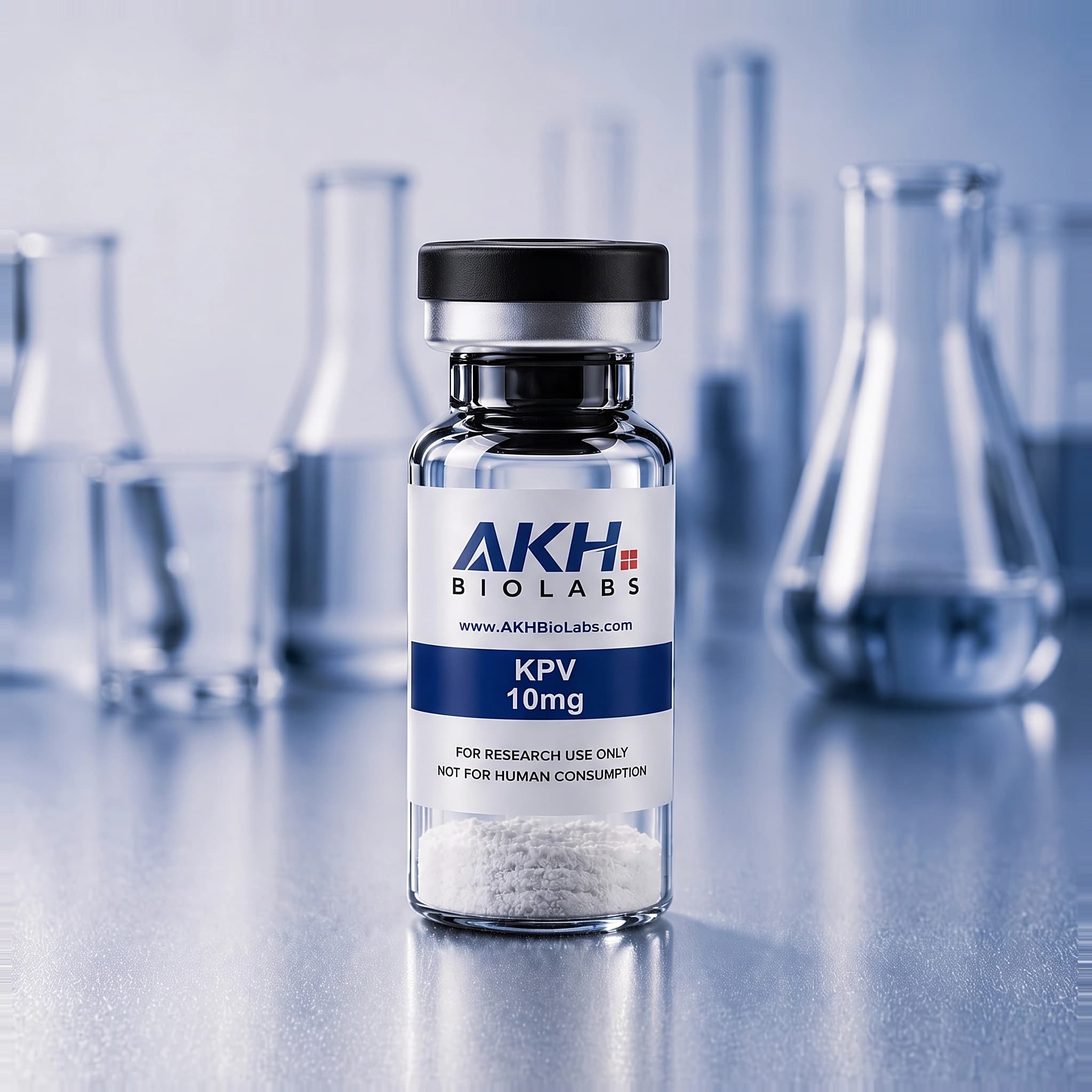
Compounds that appear alongside BPC-157 in the research literature.
For research and laboratory use only. Not for human consumption.
Recovery