Premium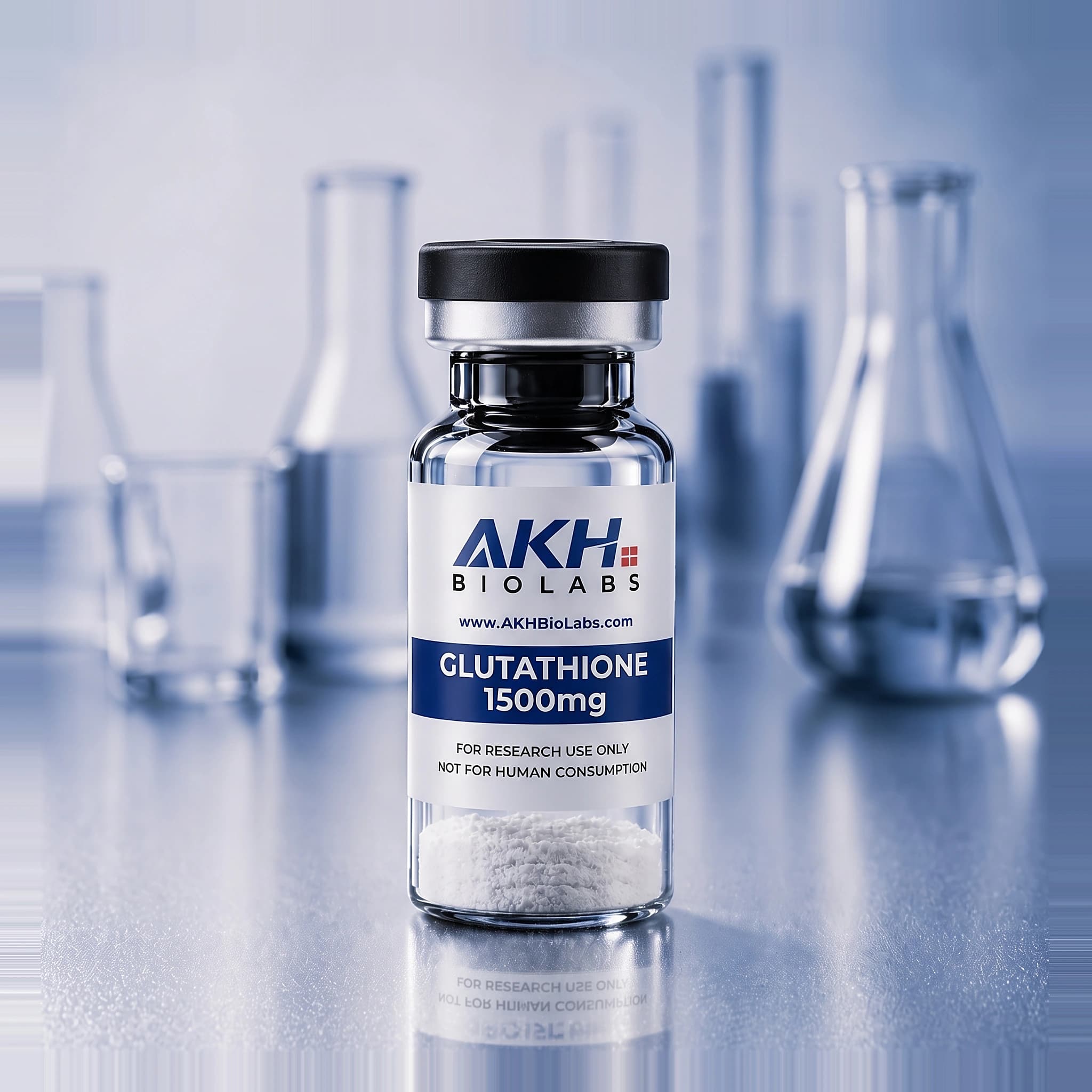
Longevity· Premium
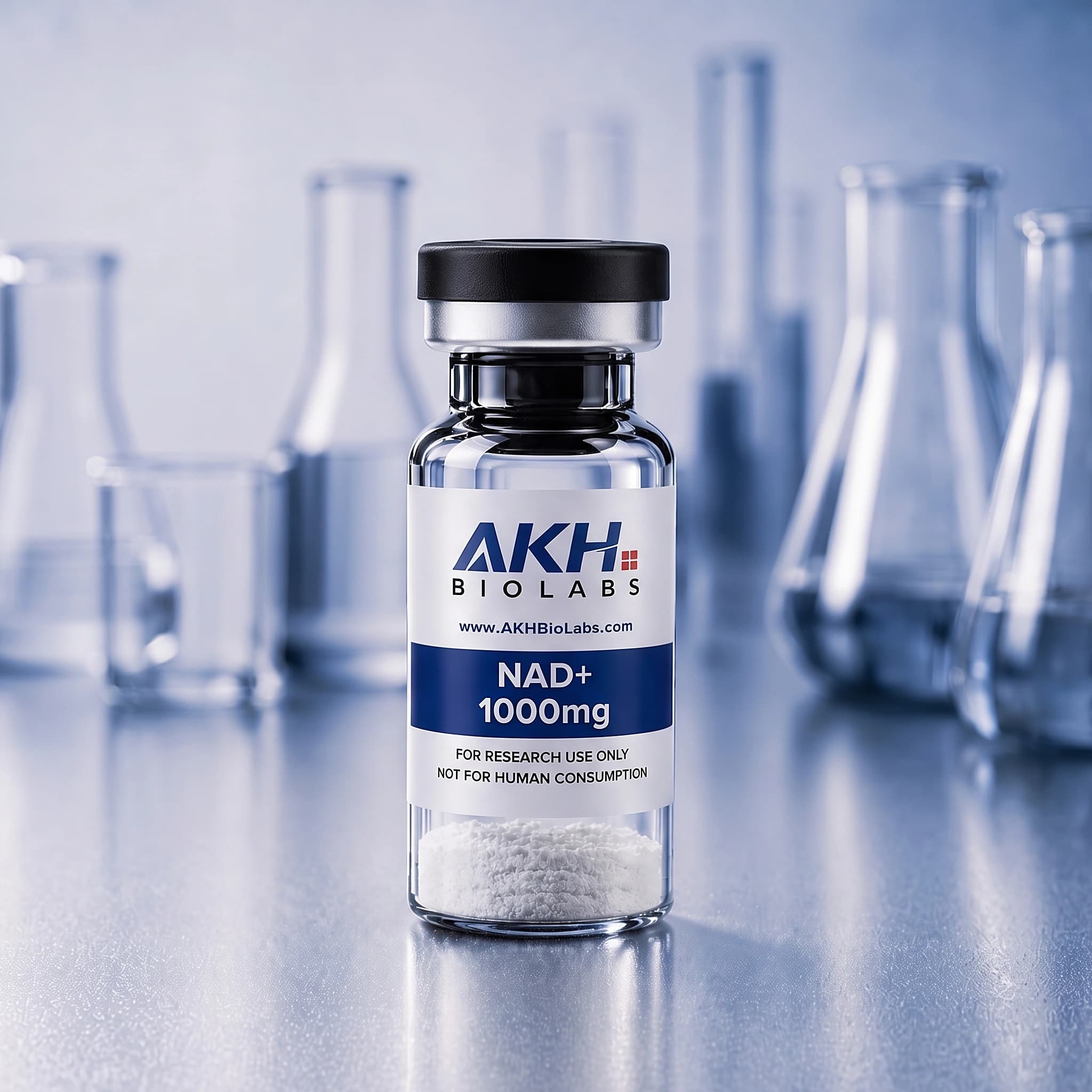
In stockGlutathione
L-Glutathione (Reduced)
Size1500mgPurity99.72%FormulaC10H17N3O6S
Glutathione is the body's principal endogenous antioxidant — a tripeptide of glutamate, cysteine and glycine present in nearly every cell. It is researched for its central role in redox homeostasis, detoxification via glutathione-S-transferase enzymes, and the recycling of vitamins C and E. Supplied as reduced L-glutathione lyophilised powder.
€77
Quantity
HPLC verified
9–14 day shipping
Full COA
Worldwide delivery
About this compound
The research profile.
Glutathione is the tripeptide gamma-L-glutamyl-L-cysteinyl-glycine, present in most mammalian cells at millimolar concentrations. Its unusual gamma-linkage between glutamate and cysteine makes it resistant to ordinary peptidases, and the reactive thiol on its cysteine residue is the chemical basis of everything it does. It is synthesised intracellularly in two ATP-dependent steps, so it is a metabolite rather than a signalling peptide.
The reduced form (GSH) donates electrons and is oxidised to the disulfide dimer GSSG, which glutathione reductase recycles using NADPH. The ratio between the two forms is used throughout the literature as a marker of cellular redox state. Glutathione also serves as the cosubstrate for the glutathione S-transferase family in phase II conjugation reactions and for glutathione peroxidase in peroxide reduction — the biochemistry set out in Meister's foundational review.
Because oral glutathione is largely broken down and reassembled from its constituent amino acids, the clinical literature is split. Intravenous and intramuscular protocols were used in the Parkinson's disease trials that account for most of the parenteral dosing data, while oral supplementation trials measured body stores and oxidative-stress biomarkers with mixed results — one crossover trial reporting no change in the biomarkers assessed. That heterogeneity is the central caveat when interpreting this compound.
Published research
15 peer-reviewed studies on Glutathione are summarised in our research library, including 9 published since 2023 — with study designs, reported findings and what the evidence does not establish.
Read the Glutathione evidence baseFor research purposes only. Not for human consumption, diagnosis, treatment, or prevention of any condition.
Categorised as Longevity — Compounds for cellular-ageing and immune research.
Scientific research
The published evidence.
The peer-reviewed publications below characterise Glutathione across discovery, pharmacology, and clinical development.
References
- 01
Glutathione. Annu Rev Biochem (1983). PubMed · 6137189
- 02
Reduced intravenous glutathione in the treatment of early Parkinson's disease. Prog Neuropsychopharmacol Biol Psychiatry (1996). PubMed · 8938817
- 03
Randomized, double-blind, pilot evaluation of intravenous glutathione in Parkinson's disease. Mov Disord (2009). PubMed · 19230029
- 04
Effects of oral glutathione supplementation on systemic oxidative stress biomarkers in human volunteers. J Altern Complement Med (2011). PubMed · 21875351
- 05
Randomized controlled trial of oral glutathione supplementation on body stores of glutathione. Eur J Nutr (2015). PubMed · 24791752
Laboratory verification
One Certificate, published unaltered.
The Certificate is a test report from a named laboratory outside AKH, ordered by our manufacturer and shown here exactly as the laboratory issued it. A printed copy ships in every parcel.
- Batch
- 26112
- Test date
- 08 Aug 2026
- Task ID
- #1812408
- Purity
- 99.72%
Results
Glutathione: 1500mg | Purity: 99.72%
Verified by Brown Institute of Biomolecular Research. Scan the full report for every measurement.
Product FAQ
Questions researchers ask.
Pairs well with
Frequently co-studied.
Compounds that appear alongside Glutathione in the research literature.
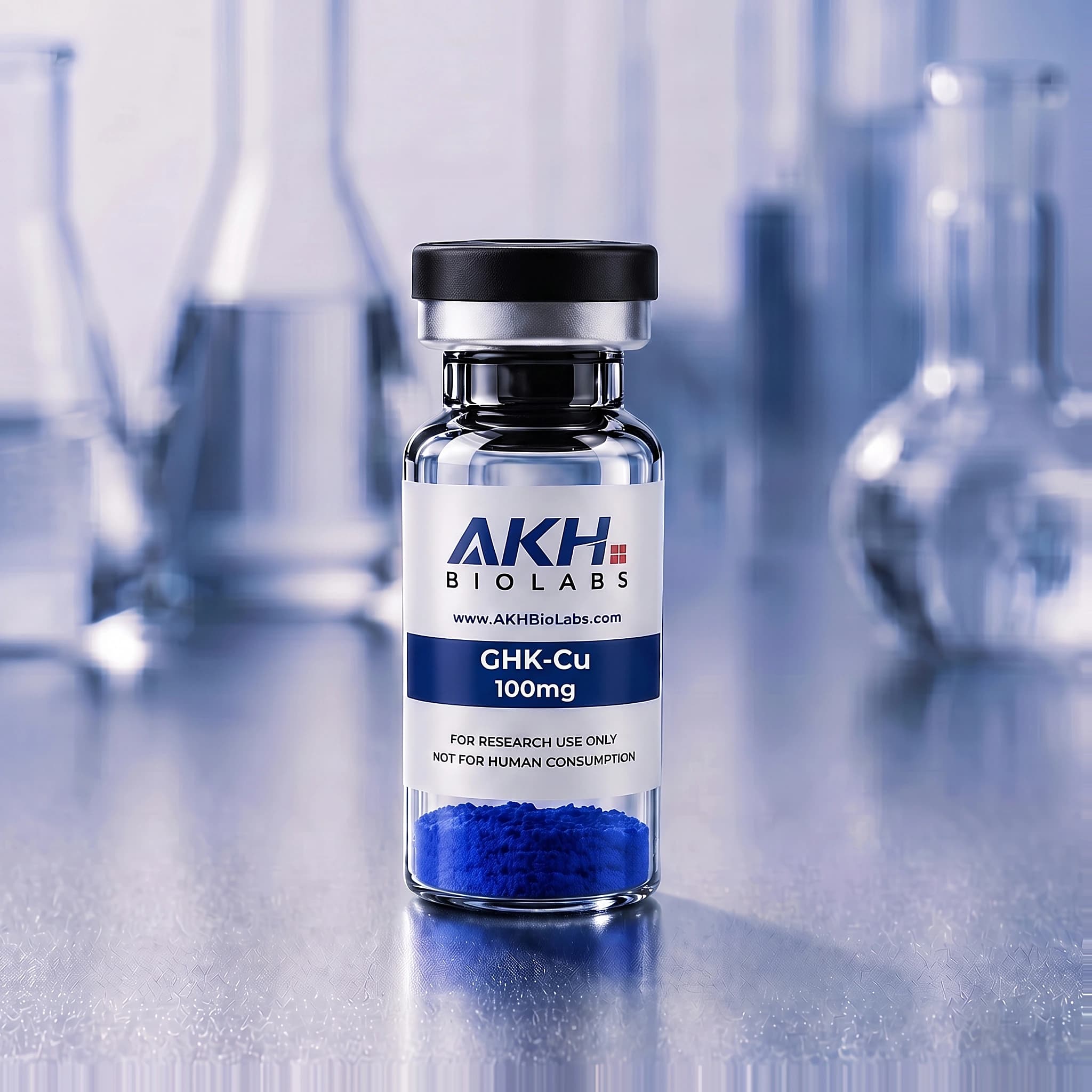
For research and laboratory use only. Not for human consumption.
Longevity